Are You Looking For a Physiotherapist In Cairns - Queensland?
Why Book at Proactive Physiotherapy?
Expert Care. Proven Results. Convenient Location.
When it comes to your health, you deserve the best and that’s exactly what we deliver.
At Proactive Physiotherapy, we combine clinical expertise with genuine care to provide results-driven physiotherapy that puts you first.
Our experienced team doesn’t just treat symptoms, we pride ourselves on our pain to performance approach to client care where we take the time to understand the root cause of your pain and create a personalised plan to help you move better, feel stronger and get back to what you love. Our model is relieving symptoms, restoring function and improving your long term health.
Because it's not just about living longer—it's about living well. Prioritising your health span means staying active and independent for as many years as possible.
Make your health a priority and book an appointment with one of our expert physios and take the first step towards better health.
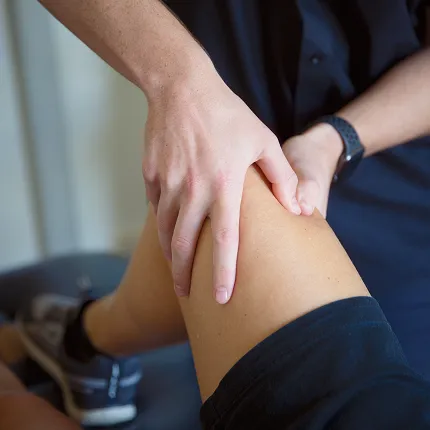
Proactive Physiotherapy was established by Julie Faulks in 1989 and has consistently provided a high standard of Physiotherapy care to the residents and professionals of Cairns, as well as the broader community.
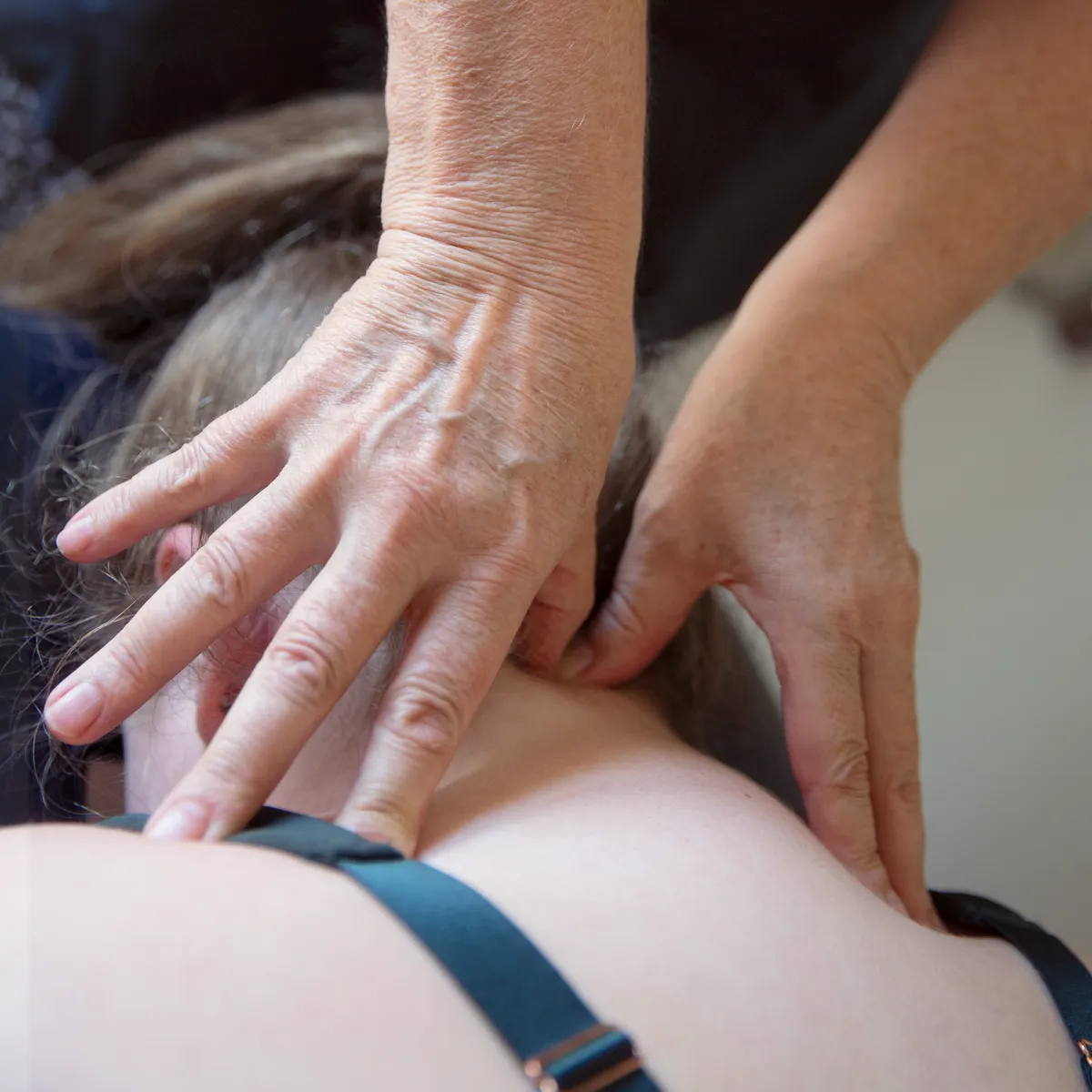
What Sets Us Apart?
Having provided services to the Cairns community for over 40 years and with over 120 years of combined experience as manual therapy and exercise physiotherapists our current team brings a depth of knowledge that few clinics can match. We've seen almost every type of injury and condition—and we know what works.
We have a dedicated headache and migraine clinic,(CHMC) with level 1, 2 and 3 practitioners using the Watson technique.
We have a dedicated pelvic health and continence clinic (CPHC) with 4 pelvic health physios providing services for men, women and children.
Confused about your pain and not sure what to do?
Get clear, professional advice in our free downloadable information packs
Back Pain
Understand why back pain happens and how to help it
Shoulder Pain
Understand why shoulder pain happens and how to help it
Knee Pain
Understand why knee pain happens and how to help it
How Can We Help?
At Proactive Physiotherapy we treat a wide range of conditions from everyday aches to complex injuries. Whether you're dealing with a recent injury or something that’s been nagging you for a while, our experienced physiotherapists can help you understand the cause and work towards lasting relief.
We commonly help clients with:
Back pain – from stiffness and postural strain to disc injuries and sciatica
Neck pain & headaches – including tension, whiplash and desk-related strain
Shoulder pain – such as rotator cuff issues, bursitis and frozen shoulder
Knee pain – from ligament injuries and arthritis to patellofemoral pain
Hip & pelvic pain – affecting movement, stability or sleep
Ankle & foot problems – including sprains, Achilles issues and plantar fasciitis
Post-surgical recovery – regain strength and mobility after orthopaedic surgery
Sports injuries – from sprains and strains to overuse injuries
Balance and dizziness issues – including BPPV and vestibular dysfunction

Cairns Pelvic Health Clinic

Centre of Excellence for Women's and Men's Pelvic Health and Continence.
Cairns Headache and Migraine Clinic

For the assessment and treatment of headaches, migraines and their related symptoms.
Contact us today to speak with our friendly team and find out how we can help you feel your best
Latest Tips and Advice
Not So Merry Peri Menopause – What it is, When it happens, and What your Physio Can Do To Help
Most women know about menopause—but not everyone talks about perimenopause, the stage before menopause when your body starts to change. It can feel confusing, frustrating, or even a bit scary at first. But the good news is: physiotherapy can help.
Let’s break it down.
What Is Perimenopause?
Perimenopause means “around menopause.” It’s the time when your hormones (especially estrogen and progesterone) start to change. This can last for several years before your periods stop completely.
When Does It Start?
Perimenopause usually begins in your 40s, but some women notice changes in their late 30s. It ends when you haven’t had a period for 12 months—that’s when you’ve officially reached menopause.
Signs You Might Be in Perimenopause
Everyone’s experience is different, but here are some common signs:
• Irregular periods (longer or shorter, heavier or lighter)
• Hot flashes or night sweats
• Mood swings, anxiety, or low mood
• Trouble sleeping
• Weight gain (especially around the belly)
• Fatigue or low energy
• Brain fog or forgetfulness
• Vaginal dryness or discomfort
• Bladder leaks or urgency
• Joint or muscle aches
If some of these sound familiar, you might be going through perimenopause.
How Can Physiotherapy Help?
You might be surprised to hear that physiotherapists—especially those trained in women’s health—can help with many of these symptoms. Here’s how:
1. Pelvic Floor Support
Hormone changes can weaken the pelvic floor muscles, leading to bladder leaks, heaviness, or discomfort. A physiotherapist can assess your pelvic floor and teach you exercises to strengthen and support it.
2. Bladder and Bowel Health
If you’re noticing more urgency, leaks, or trouble fully emptying your bladder, physio can help you retrain those muscles and improve your control.
3. Joint and Muscle Pain
Aching hips, knees, or back? Estrogen helps protect joints, so pain and stiffness are common during perimenopause. A physiotherapist can help with gentle strength exercises, stretching, and hands-on treatment to ease discomfort and keep you moving.
4. Exercise Guidance
Staying active is one of the best things you can do during perimenopause—but it’s not always easy when you’re tired or in pain. A physiotherapist can help you build a safe, enjoyable exercise plan that supports your muscles, bones, and mood.
5. Posture and Core Strength
Changes in hormones and muscle tone can affect your posture, leading to neck, back, or pelvic pain. Physio can help correct your posture and build core strength to reduce strain.
6. Support With Sleep and Stress
Poor sleep and high stress can make perimenopause symptoms worse. While physios can’t fix everything, they can teach relaxation techniques, breathing exercises, and gentle movement to help calm your nervous system and improve sleep.
Perimenopause is a natural stage of life—but that doesn’t mean you have to suffer through it. Physiotherapy can help you feel stronger, more comfortable, and more in control of your body.
If you think you might be in perimenopause and want support, book an appointment with one of our women’s health physiotherapists. You don’t have to go through it alone.

We’re proud to be connected with trusted professional affiliations and community partners




Proactive Physiotherapy is powered by Vitala Health, a group of Allied Health Practices across New Zealand and Australia.
Vitala Health provides clinical solutions that supports clients health and lifestyle needs through best practice treatment, premium facilities, education and ongoing commitment to customer service. Learn more about Vitala Health
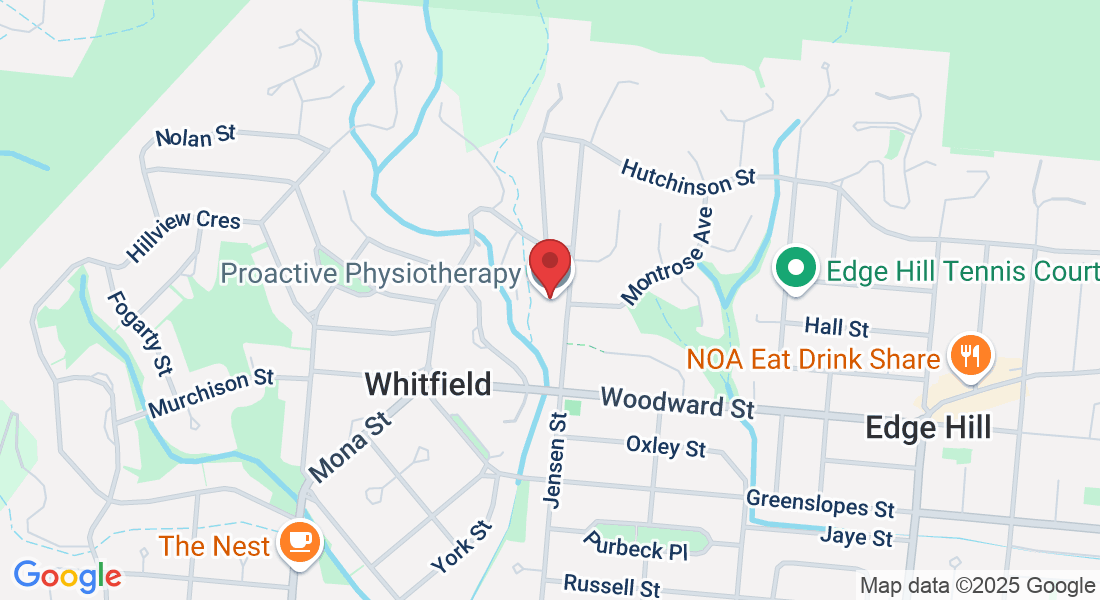
If you have any questions before scheduling an appointment or for general enquiries, please contact us. Our team will promptly reach out to assist you.
Opening Hours
Mon: 8:00am - 6:00pm
Tue: 8:00am - 6:00pm
Wed: 8:00am - 6:00pm
Thu: 8:00am - 6:00pm
Fri: 8:00am - 6:00pm
Sat: Closed
Sun: Closed
Our clinic will operate with adjusted hours over the Christmas and New Year period.
Wed 24th Dec: 8.00am- 1pm
Thu 25th Dec: CLOSED
Fri 26th: CLOSED
Sat 27th: CLOSED
Sun 28th: CLOSED
Mon 29th Dec: 1:00pm - 6:00pm
Tue 30th Dec : 8:00am - 6:00pm
Wed 31st Dec: 8:00am - 6:00pm
Thu 1st Jan: CLOSED
Fri 2nd Jan: 8:00am - 6:00pm

Follow Us
The Clinic
Common conditions
© Copyright 2025. Vitala Health. All rights reserved.
Facebook
Instagram
LinkedIn